For those moments when only the vibrant, layered flavors of Mexico will do, finding truly authentic Mexican food in Carmel, CA, becomes a delightful quest. It’s more than just a meal; it’s an immersion into centuries of culinary tradition, fresh ingredients, and passionate preparation. But in a town celebrated for its diverse gastronomic offerings, how do you pinpoint the eateries that genuinely deliver that deep, traditional taste profile? This guide cuts through the noise, helping you navigate Carmel's Mexican dining scene to unearth those unforgettable, genuinely authentic experiences.
At a Glance: Your Authentic Mexican Food Journey in Carmel
- Beyond the Stereotypes: Discover what "authentic" truly means in the context of Mexican cuisine, especially regional specialties.
- Decoding Menus: Learn to spot the dishes and ingredients that signal genuine Mexican culinary tradition.
- Identifying Hidden Gems: Practical tips for finding restaurants that prioritize traditional methods and flavors.
- Flavor Pairings: Understand how to complement your meal with traditional drinks and sides.
- Making Savvy Choices: Navigate common pitfalls and maximize your dining experience.
What Authenticity Really Means in Mexican Cuisine
When we talk about authentic Mexican food in Carmel, CA, we're not just looking for tacos and burritos – though excellent versions of these staples certainly exist. True authenticity in Mexican cuisine is a kaleidoscope of regional styles, ancient cooking methods, and an unwavering commitment to fresh, high-quality ingredients. Think beyond the Tex-Mex interpretations you might find elsewhere and lean into the rich diversity of Mexico's 32 states, each with its own culinary identity.
For instance, Oaxacan cuisine is famous for its seven moles, tlayudas, and chapulines (grasshoppers). Puebla is the birthplace of mole poblano and chile en nogada. Jalisco gives us birria and tequila. Baja California is renowned for its fish tacos. When a restaurant highlights these regional distinctions, it's often a strong indicator of a deeper commitment to authenticity. They're not just serving "Mexican food"; they're honoring specific, cherished culinary legacies.
The Cornerstone of Flavor: Ingredients and Techniques
At the heart of any truly authentic Mexican dish are its foundational ingredients and preparation. This isn't just about throwing ingredients together; it's about understanding how they interact, how traditional methods unlock their full potential, and how patience translates into profound flavor.
Key Ingredients to Watch For:
- Nixtamalized Corn: This ancient process of soaking and cooking corn in an alkaline solution (usually limewater) is crucial for making tortillas that are flavorful, pliable, and nutritionally superior. If a restaurant makes its own tortillas from scratch using nixtamal, that's a gold standard signal.
- Chiles: The backbone of Mexican flavor. Beyond jalapeños and serranos, look for dishes featuring ancho, pasilla, guajillo, habanero, árbol, or smoked chipotle. The depth of flavor these chiles provide, whether fresh or dried, is irreplaceable.
- Fresh Herbs & Spices: Cilantro, epazote, Mexican oregano, and cumin are essential. Epazote, with its distinct, earthy flavor, is a particularly strong indicator of authenticity, often found in bean dishes and quesadillas.
- Cotija Cheese: A firm, salty, crumbly cow's milk cheese, distinct from the milder Monterey Jack often used in Americanized dishes.
- Piloncillo: Unrefined whole cane sugar, used to add a rich, deep sweetness to desserts and some savory dishes, offering a more complex profile than refined white sugar.
Traditional Cooking Techniques: - Slow-Cooking: Many iconic dishes, like cochinita pibil or carnitas, rely on hours of slow cooking to tenderize meats and meld flavors. This often happens in a traditional "pib" (earth oven) or slow-cookers that mimic the effect.
- Salsa Grinding: While blenders are common, a restaurant that features salsas made in a molcajete (volcanic rock mortar and pestle) offers a coarser, more rustic texture and often a brighter, fresher taste profile.
- Roasting/Smoking: Techniques like roasting chiles or smoking meats impart deep, smoky nuances that are characteristic of many regional Mexican cuisines.
When you encounter menus that describe these ingredients and techniques, you're likely on the right track to discovering excellent authentic Mexican food in Carmel, CA.
Decoding the Menu: Beyond Tacos and Burritos
To truly experience authentic Mexican food in Carmel, CA, challenge yourself to explore beyond the familiar. While Carmel is celebrated for its diverse culinary landscape, offering everything from exquisite seafood to European-inspired bistros (for a wider view of your options, Discover Carmel's specific cuisines), finding truly authentic Mexican flavors requires a nuanced approach. Here are some dishes and categories to look for that signal a deeper dive into Mexican culinary heritage:
Must-Try Authentic Dishes:
- Mole (Poblano, Negro, Coloradito, etc.): A complex sauce with dozens of ingredients, including chiles, spices, nuts, seeds, and sometimes chocolate. Each mole variation has a distinct flavor profile. If a restaurant offers multiple types of mole, it's a huge sign of authenticity.
- Cochinita Pibil: A slow-roasted pork dish from the Yucatán Peninsula, marinated in sour orange juice and annatto seed, traditionally cooked in a pit oven wrapped in banana leaves.
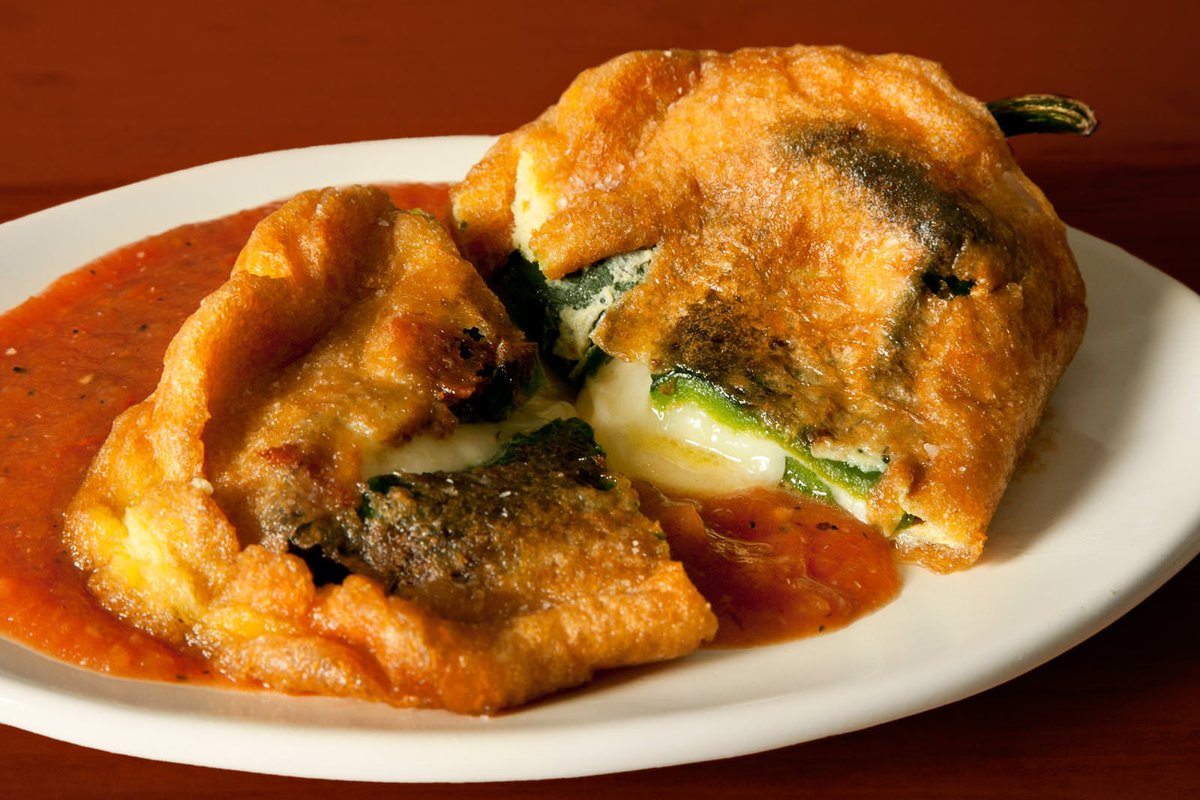
- Chile Rellenos: Poblano peppers stuffed with cheese (or sometimes picadillo), battered, and fried, often served in a mild tomato sauce. The key is the fresh, distinct pepper flavor.
- Pozole: A hearty, traditional soup made with hominy and meat (pork or chicken), often garnished with shredded cabbage, radishes, onion, lime, and chili. It comes in red (rojo), white (blanco), and green (verde) variations.
- Sopes & Huaraches: Thick, handmade corn tortillas, pinched at the edges to form a shallow cup (sopes) or an elongated "sandal" shape (huaraches), topped with various ingredients like beans, meat, cheese, and salsa.
- Enchiladas (Regional Styles): Not just rolled tortillas with cheese, but look for specific regional takes like enchiladas suizas (creamy green sauce), enchiladas rojas (red chile sauce), or enchiladas verdes (tomatillo sauce), each with unique fillings and presentations.
- Aguachile/Ceviche: For seafood lovers, these fresh, vibrant dishes made with raw shrimp or fish cured in lime juice, often with chilies, cilantro, and onion, are a taste of Mexico's coastal regions.
- Chilaquiles: A classic breakfast or brunch dish featuring fried tortilla pieces simmered in red or green salsa, topped with cheese, crema, and often a fried egg or shredded chicken.
Finding Your Go-To Spot for Authentic Mexican Food Carmel CA
With a better understanding of what authenticity entails, how do you practically apply this in Carmel? Here’s a playbook for spotting the genuine articles:
- Look for Local Buzz (and Local Patrons): The most reliable indicator of authenticity is often where locals—especially those of Mexican heritage—choose to eat. A restaurant packed with local families speaking Spanish is usually a strong contender.
- Scrutinize the Menu Descriptions:
- Specific Regions: Does the menu mention "Yucatán-style cochinita pibil," "Oaxacan mole," or "Puebla cemitas"? This level of detail suggests a commitment to specific traditions.
- House-Made: Look for phrases like "handmade tortillas," "salsas made fresh daily," or "slow-cooked carnitas."
- Unfamiliar Dishes: If you see dishes you don't immediately recognize, it’s a good sign they’re venturing beyond the mainstream. Don't be afraid to ask your server for recommendations!
- Assess the Ambiance (Carefully): While a rustic, unassuming decor can sometimes signal authenticity, don't let it be the only factor. Some genuinely authentic spots in Carmel might have more polished settings. However, look for cultural touches, vibrant colors, and a lively atmosphere that feels genuinely Mexican, rather than generic themed decor.
- Check for Freshness and Quality:
- Salsa Bar: A varied salsa bar with clearly house-made options (ranging from mild to fiery) is a fantastic sign.
- Tortilla Quality: If you can see tortillas being made fresh, or if they taste distinctly of fresh corn, you're in for a treat. Poor quality tortillas can undermine even the best fillings.
- Observe the Drinks Menu: Beyond standard sodas, do they offer aguas frescas (horchata, jamaica, tamarindo), authentic Mexican sodas, or a carefully curated selection of tequilas and mezcals (not just the big-name brands)? This shows attention to the full cultural experience.
Practical Playbook: Making Your Selection
Let’s put this into action. Imagine you’re walking through Carmel, hungry for authentic Mexican food.
Decision Tree for the Discerning Diner:
- Are you open to exploration or prefer familiar staples done well?
- Exploration: Seek out menus with regional dishes (moles, cochinita pibil), handmade tortillas mentioned, or unusual aguas frescas. Ask about the chef's heritage.
- Familiar: Look for highly rated places known for their carnitas, al pastor, or chile verde, but still check for fresh ingredients and good salsa.
- What's your spice preference?
- Mild: Authentic doesn't always mean super spicy. Look for dishes with "verde" or "rojo" sauces, and ask if the kitchen can adjust the heat. Salsas on the side are your friend.
- Adventurous: Inquire about house-made hot sauces, or dishes featuring habaneros or serranos.
- Are you dining with a group or solo?
- Group: Consider places with larger tables, family-style platters, or a diverse menu to satisfy different tastes.
- Solo: A taqueria-style counter or a cozy spot with quick service might be ideal.
Case Snippet: The Tortilla Test
One diner, determined to find truly authentic Mexican food in Carmel, CA, walked into a promising-looking cantina. She noticed immediately that the small kitchen counter had a woman pressing fresh masa into tortillas on a comal. The aroma of toasted corn was intoxicating. This visual cue alone was a powerful signal. She ordered tacos al pastor, and the difference made by the freshly made, warm, pliable tortillas was night and day compared to machine-made versions she’d had elsewhere. It’s a small detail, but a game-changer for authenticity.
Pairing Perfection: Drinks and Sides
An authentic Mexican meal is a symphony, and drinks and sides are key instruments.
- Margaritas and Beyond: While a good classic lime margarita is essential, look for places that offer variations with fresh fruit purees, mezcal (for a smoky kick), or even unique infusions. Don't overlook the humble Michelada – a savory beer cocktail that's incredibly refreshing.
- Aguas Frescas: These non-alcoholic fruit and grain waters are cultural staples. Horchata (rice milk with cinnamon) is creamy and sweet, Agua de Jamaica (hibiscus flower tea) is tart and refreshing, and Tamarindo (tamarind fruit drink) offers a unique sweet-and-sour profile.
- Sides that Elevate:
- Esquites or Elotes: Grilled corn (off-the-cob in a cup for esquites, or on the cob for elotes) dressed with mayo, cotija cheese, chili powder, and lime.
- Frijoles Refritos: Refried beans should be creamy, flavorful, and not greasy, often with a hint of lard or bacon for depth.
- Arroz Rojo: Mexican red rice should be fluffy, distinct grains, and flavorful from tomato and broth, not mushy.
Quick Answers: Common Questions and Misconceptions
Q: Does "authentic" always mean super spicy?
A: Not at all. While Mexican cuisine uses a wide variety of chiles, many authentic dishes, like certain moles or cochinita pibil, are rich in flavor but not necessarily fiery. Spice levels vary regionally, and most authentic restaurants are happy to offer salsas on the side so you can control the heat.
Q: Can I find authentic vegetarian or vegan Mexican food?
A: Absolutely! Traditional Mexican cuisine is very plant-forward. Look for dishes featuring beans, corn, squash, mushrooms (huitlacoche), and nopales (cactus paddles). Many restaurants can adapt dishes, but naturally vegetarian options like sopes with beans and cheese, enfrijoladas, or quesadillas (with vegetable fillings) are common. Always specify if you're vegan to ensure no animal products (like lard in beans) are used.
Q: What's the difference between a taqueria and a sit-down Mexican restaurant?
A: A taqueria typically specializes in tacos and other street food items (burritos, quesadillas, sopes), often with a more casual, quicker service style. A sit-down restaurant might offer a broader menu with more complex main courses like moles, seafood dishes, and table service. Both can be equally authentic, just catering to different dining experiences.
Q: Do authentic places always have great margaritas?
A: Not necessarily. While many do, a restaurant's focus on food authenticity doesn't always guarantee a stellar bar program. Some highly authentic, family-run spots might focus solely on the food and offer simpler drink options. If cocktails are a priority, look for mentions of "craft cocktails," "artisanal margaritas," or a dedicated bar section on the menu.
Your Journey to Authentic Flavor in Carmel
Discovering truly authentic Mexican food in Carmel, CA, is a rewarding experience that enriches your understanding of one of the world's great culinary traditions. It’s about being observant, asking questions, and being willing to explore beyond the familiar. By focusing on fresh, regional ingredients, traditional techniques, and specific menu items, you’ll unlock a world of flavor that will transport your taste buds straight to Mexico. So go forth, be curious, and savor every delicious, authentic bite Carmel has to offer.